Peer Reviewed Articles
“My school could have done more”: Black Students’ Reflections of Educators’ Interventions on Peer Discrimination
Blair A. Baker, Tamara K. Lawson, Heather Hill
Psychology in the Schools, 62: 1767-1786
Abstract
Black students in K-12 settings are facing heightened rates of discrimination from their peers. Although discrimination may primarily be racial in nature, other aspects of students’ racialized experience (e.g., wealth status, gender, nationality, etc.) are often targeted as well. Despite rising issues of peer discrimination toward Black students and their intersecting identities, few works have investigated how school personnel distinguish such discrimination and/or deploy intervention practices as a response. This study interviewed Black (n = 15) and Biracial/ethnic (n = 2) high school graduates (ages 18–21) about their experiences with peer discrimination, educators’ approaches to such discrimination, and participants’ insight on preferred intervention approaches. An intersectional framework and the Transformative Social Emotional Learning framework were used to phenomenologically analyze the data. Results indicate that participants experienced intersectional discrimination from high-school peers, and school personnel rarely intervened on peer discrimination in a culturally responsive manner. However, participants’ preferred intervention responses mirrored more actionable, culturally responsive intervention approaches to peer discrimination.
Summary
- Interventions on peer discrimination should be culturally responsive, including elements related to advocacy, empathy, and racial equity education.
- Black students experience intersectional discrimination from their peers at school.
- School personnel struggle to respond to discrimination among students in ways that are helpful and impactful.
“You may encounter many defeats, but you must not be defeated”: BIPOC Students’ Advice on Embodying Resilience and Resistance at PWIs
Zounlomè, N. O. O., Baker, B. A., Wilkins, K. G.
Journal of Prevention and Health Promotion
“It’s the teacher’s responsibility”: Examining In-Service and Pre-Service Teachers’ Responses to Racial Bias
Baker, B. A., Davis, S., Wilkins-Yel, K. G., Mukherjee, A., & Paneto, A.
Journal of Educational and Psychological Consultation, 33(2), 201–229.
Abstract
In K-12 settings, misunderstandings of racial dynamics and color-blind attitudes may stymie teachers from adequately addressing racial discrimination amongst students. This study qualitatively asked if, why, and how pre- and in-service teachers would hypothetically intervene on racial discrimination toward a Black student, and whether color-blind racial attitudes in teachers manifest in their intervention approaches. Findings suggest pre- and in-service educators intend to intervene on racial discrimination. However, the rationale and strategies for intervening often reflect color-blind or biased racial attitudes, suggesting the need for consultation professionals to support teachers in implementing more effective intervention strategies. Given the racial nature of this consultation need, the authors present the multicultural consultation framework as a potentially useful lens through which consultants can work with educators on discrimination intervention.
Commentary: Taking a Social Justice Perspective on Research Supporting LGBTQ Students: Same Team, Different Positions
David Shriberg and Blair A. Baker
Journal of Educational and Psychological Consultation, 29(1), 89–97.
Abstract
This article is a commentary on a theme issue of Journal of Educational and Psychological Consultation entitled “Consultation to Increase Educational Access and Improve Conditions for LGBTQ Youth.” Writing from the perspective of researchers who have focused on social justice, the authors both provide a critique of the theme issue articles and describe potential areas of overlap between social justice research broadly and research specifically focused on supporting LBGTQ youth. Suggested next steps for research are offered.
Book Chapters
A Social Justice Framework for Teachers: Key Concepts and Applications
Shriberg, D., Baker, B. A., & Ormiston, H. E.
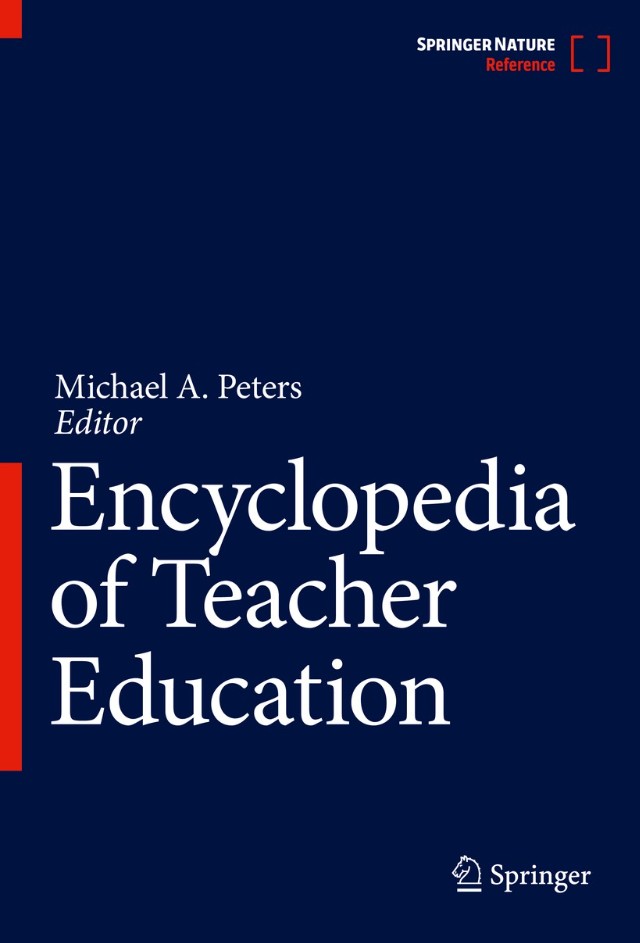
In Michael A. Peters (Ed.), Encyclopedia of Teacher Education, Springer, pp 1625–1630.
Abstract
“Social justice” is a term that is both easy to support in general (Is any educator for social injustice?) and challenging to define in the specific. This entry will provide a brief conceptual overview of social justice followed by three suggested frameworks for application.
 Dr. Blair A. Baker